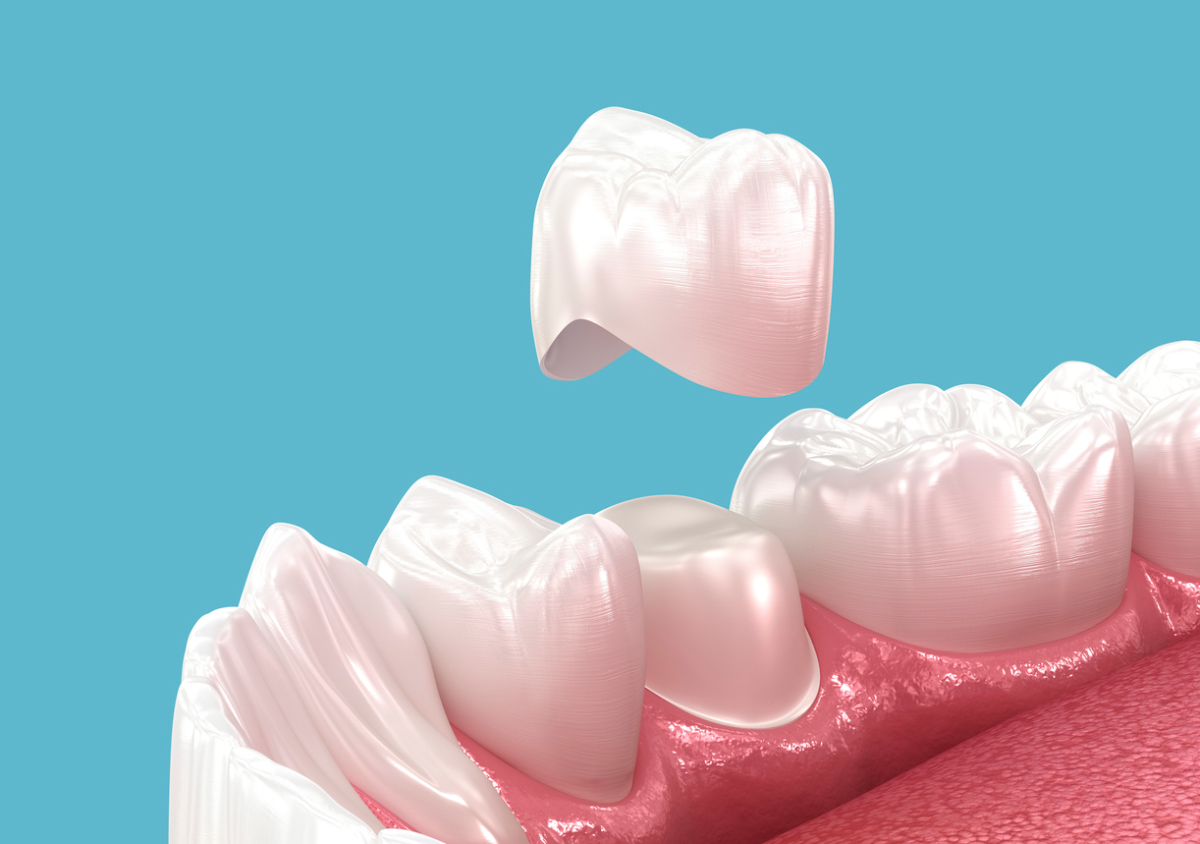
Dental crowns are a type of restoration used to reinforce a tooth weakened by infection or trauma and to protect its structure from further damage. But how long do dental crowns last? In this article, we address this question and discuss factors that influence the longevity of dental crowns.
How Long Do Dental Crowns Last?
Broadly speaking, dental crowns can last from 5 to 15 years. Several factors can influence the longevity of your dental crowns:
The Material of Your Dental Crown
Several materials can be used to make dental crowns:
- Porcelain and zirconia are the most common materials due to their durability, stain resistance, and natural appearance in the mouth. Porcelain and zirconia crowns typically last for 10 years or more.
- Resin composite also appears natural in the mouth and tends to be more affordable than porcelain; however, it is less durable and less stain-resistant. Typically, resin composite crowns last 5 to 7 years.
- Metal (gold or silver amalgam) provides excellent durability and longevity (up to 20 years for gold crowns). Still, it is rarely used in modern dentistry because it is noticeable in the mouth.
- Porcelain-fused-to-metal crowns provide both durability and natural appearance. But the porcelain exterior can still wear out within 10 to 15 years.
Your Oral Hygiene Habits
The key to prolonging the lifespan of any dental restoration, including dental crowns, is an efficient daily oral hygiene routine and biyearly visits to a dental office for checkups and professional cleanings. This way, you will prevent bacteria and acid from damaging the gums, teeth, and discoloration of the crown.
Your Dietary and Lifestyle Habits
Hard, crunchy, and sticky foods might damage your crown by scratching, cracking, or dislodging it. Additionally, staining foods and beverages, such as those containing artificial dyes, red wine, coffee, and beetroot, can lead to premature crown discoloration. Thus, we recommend being mindful of the food you choose to eat.
Additionally, using your teeth as tools or oral trauma can break the crown. We recommend avoiding using your teeth to crack nuts or open bottles, and always wearing a mouthguard when playing contact or extreme sports.
Presence of Bruxism
Bruxism is an involuntary condition characterized by the grinding of teeth and clenching of the jaw. Typically, it happens when you are asleep, but it can also continue during the day. Since the human bite is very strong, constant teeth grinding and clenching put excessive pressure and friction on the natural teeth and dental crowns, which they are not designed to withstand. As a result, even dental crowns made of high-quality and durable materials can wear out much faster or crack and chip.
If you notice signs of bruxism, we recommend consulting your dentist to find a combination of solutions that best suit your case. Typically, bruxism treatment combines wearing a mouthguard at night, counseling, and other types of therapy aimed at relaxation.
The Quality of Initial Dental Work
The skill and experience of the dentist performing your dental crown placement can significantly impact its longevity. A dental crown should be appropriately fitted to your tooth in an air- and water-tight manner, feeling comfortable and natural among other teeth. Insufficient quality of the initial dental work can lead to the need for adjustment or the crown failing altogether, resulting in the tooth becoming reinfected.
Get Long-Lasting Dental Crowns at Shodhan DHS
Do not hesitate to schedule an appointment with an experienced dentist at Shodhan DHS to receive a high-quality and reliable dental crown that will last for years to come. Our specialists look forward to delivering the best results for our patients.