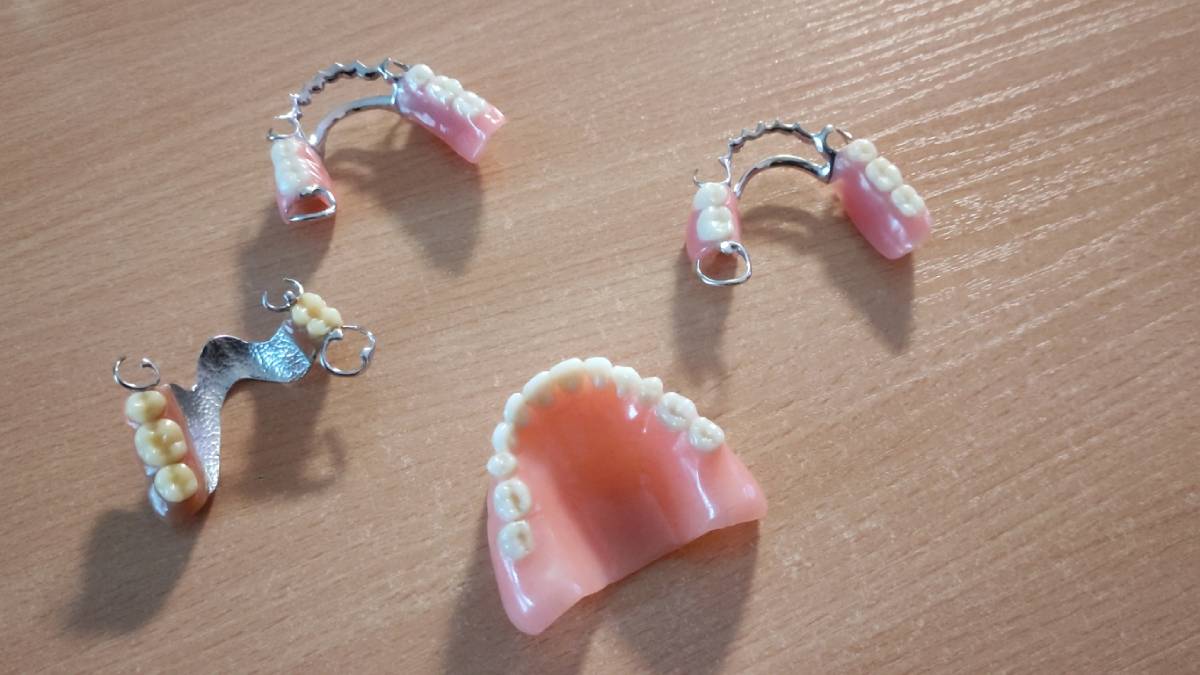
Implant-supported overdentures are a great modern solution for people who are missing their natural teeth. But are implant dentures better than traditional ones? In this article, we discuss the differences between these two dental appliances and talk about who is a good candidate for implant-supported dentures.
Are Implant Dentures Better than Traditional Ones?
The condition of your oral and overall health, as well as your specific needs, will play a significant role in determining whether implant-supported dentures or traditional dentures are the best option for you. However, when it comes to comfort during daily use, implant-supported dentures may indeed be superior to traditional dentures. Let us compare these two options and look at the advantages of implant-supported dentures:
- Traditional dentures rely on your jawbone and gums for support. Some patients might struggle with their traditional dentures slipping or shifting in the mouth when they talk or chew food. Implant-supported dentures are attached to dental implants surgically placed in the jawbone, making them secure and stable in the mouth without the risk of slipping.
- The way traditional dentures are attached in the mouth limits your diet to softer foods, as they can typically provide only around 20% of your natural bite force. Implant-supported dentures, on the other hand, can offer up to 90% of natural bite force, meaning that you will be able to enjoy a wide range of foods. This, in turn, can improve nutrition and digestion.
- Dental implants that support dentures prevent bone resorption—a natural process that occurs when you are missing your teeth. It manifests in the jawbone losing its density and happens because the body stops sending nutrients to the bone that is no longer stimulated by the tooth’s roots. Dental implants act like the roots of your natural teeth, stimulating the jawbone and preventing it from shrinking. Traditional dentures can not offer such benefits, and the jawbone will gradually lose its density.
Who Can Have Implant-supported Dentures
Unfortunately, not everyone can have implant-supported dentures. There are several requirements to have a successful implant placement surgery:
- Good oral health with no active inflammatory or bacterial conditions such as gum disease or tooth decay. Such conditions can prevent the implants from healing. On top of that, gum disease can affect the jawbone structure, making it impossible to place an implant.
- Enough jawbone density to support the implant. If you have been missing your natural teeth for a long time and bone resorption has already occurred, you might be required to undergo additional procedures, such as bone grafting, before the implant surgery. Bone grafting promotes bone regeneration and increases bone density.
- Good general health and sufficient capacity of your body to heal. Some chronic systemic conditions, such as diabetes or some types of cancer, can lower the regeneration ability of the body or negatively affect the bone structure, making dental implant placement risky or impossible.
How Long Is the Recovery for Implant-supported Dentures
The main part of the recovery is implant healing and integration with the jawbone. This process can take up to six months. The process can be prolonged if you have bone or gum grafting before the implant procedure. Once your implants are successfully fused with the jawbone and become stable and secure, the dentures can be attached to them.
Get Implant-Supported Dentures at Shodhan DHS
Do not hesitate to make an appointment with an experienced dentist at Shodhan DHS if you are considering implant-supported dentures. Our specialists will carefully evaluate your case to determine which type of dentures best meets your goals and needs. We are looking forward to your visit.